
Each Symbols Described: The Significance in Aviator Games

If you want to play Register At Aviator Game successfully, you must grasp the icons. This title doesn’t use the cherries and bells of a classic slot machine. The design language is simple and concentrated on data, designed for real-time decisions. You will encounter a streamlined collection of symbols and numbers that show you the details about the current round, the increasing multiplier, and the right moment to act. This guide details every visual element, from the central airplane to the betting panel and history logs. When you understand the function of each part, you can play with increased assurance and a more defined plan. The design is centered around clarity, so even when the action accelerates, the information required is immediately in front of you.
The Central Aircraft: The Core Multiplier Symbol
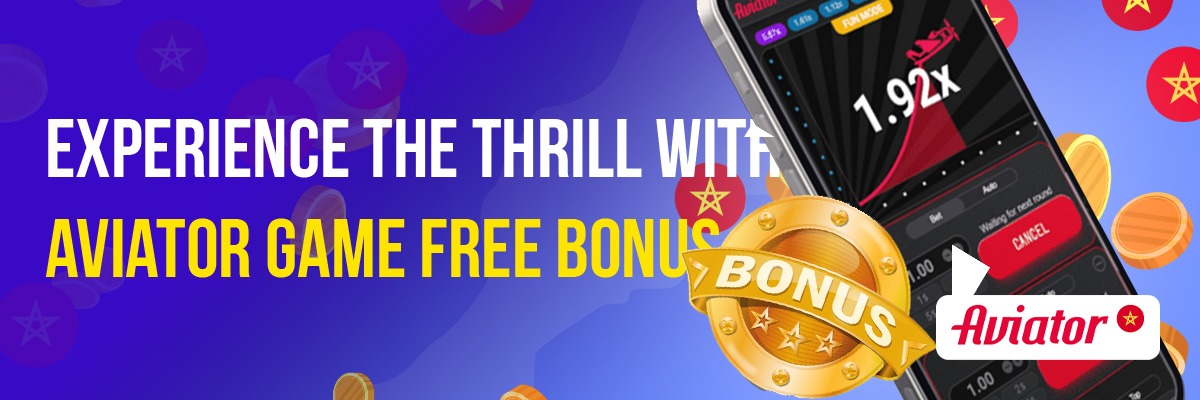
That plane is the highlight of the action. It’s an animated symbol, not simply a picture. When a round starts, the aircraft begins to climb from the bottom left area of your screen. Its ascent is tied directly to the multiplier number, a number shown next to the jet. As the jet climbs, the multiplier value grows, starting from 1.00x. Here’s the key point: the plane can vanish at any random moment. When it disappears, the game round ends and the multiplier drops to zero. So this plane symbol is a real-time display of both your opportunity and your risk. Your goal is to hit “cash out” and lock in your profits before the aircraft disappears. The flight path is the game’s essence, turning a basic animation into a source of real tension. The smooth climb and the random ending point create that distinctive tension. The aircraft isn’t just an icon; it is a live tracker of your prospective payout and the danger of losing it all.
The Multiplier Panel and Wager Grid
Beside the aircraft, you will see the current multiplier in prominent, bold digits. This is the most critical figure on the screen. It displays the exact number your active bet will be increased by if you cash out now. The betting panel around it holds other key symbols and numbers. You’ll see your total balance, a field to set your bet amount, and the essential “Bet” and “Cash Out” buttons. Most versions also include an “Auto Cash Out” feature where you can set a target multiplier beforehand. Frequently, a “Potential Win” amount updates live next to the multiplier. This complete array of displays and buttons is your command center. Recognizing what each one does is vital before you place a wager. Becoming familiar with this panel is how you stop watching and start making calculated decisions.
- Current Balance:
- Bet Amount Selector:
- Potential Win Display:
- Cash Out Button:
- Auto Cash Out Setting:
Comprehensive Analysis of the Betting Panel
Let’s take a look closer at the wagering panel, your command hub. Every piece fulfills a function. Your bankroll isn’t just a value; it represents your capital for the round, dictating what you can stake. Picking your stake is important because it scales your projected winnings and exposure immediately. The potential win readout is a effective motivator, rendering your potential success visible and influencing your decision-making. The cash-out option, usually large and in the middle, is your path to claiming money. The size of it indicates how important it truly is. The automatic withdrawal input turns a simple figure into an programmed process, eliminating human response time out of the the formula. When you grasp how these pieces function as a whole, you can set up the system to match your preference, be it you like quick hand-operated plays or a greater passive, methodical method.
Control Icons for Configuration and Information
On the sides of the primary display, you’ll find typical symbols for extra functions. Typically there is a settings or menu symbol for game options. Here you can modify sound, visuals, or verify your automatic cash-out setting. An “i” or information icon usually opens the game regulations and a breakdown of its mechanics. A statistics icon can open a more detailed statistical view than the main history board. Some game variants include a button to toggle between various visual styles for the aircraft or backdrop. These icons do not affect the fundamental gameplay, but they matter. They enable you to personalize your session, view the complete rules, and access responsible gambling tools. Being familiar with these icons allows you to tune the game to your taste and receive support without ever exiting the display.
- Settings Icon (Settings):
- Details (“i”) Button:
- Data Icon:
- Theme Selector:
- Assistance Icon:
Match Phase Markers and Messages
Tiny symbols and text messages keep you informed about the game’s status. Prior to a round beginning, you’ll commonly see a “Place Your Bets” message or a countdown timer. After betting closes, a “Round Started” indicator appears and the plane commences to climb. The most important alert is the “Aircraft Crashed” or “Fly Away” message that shows when the round ends on its own. Should you cash out manually, you’ll usually get a confirmation like “Cash Out at [X] multiplier!” along with a sound or visual effect. The game could use color changes too; the “Cash Out” button could light up or change color when a profit is available. These indicators are the game’s way of communicating with you, steering you through each step. Spotting these signals stops you from getting confused. You’ll constantly know when you can act and when the round is truly over.
The History Panel and Past Rounds
You’ll usually find a history panel or past rounds panel next to the central game display. It features simple symbols: a list of figures showing the payouts from recent games where the plane crashed. These values often are displayed in a matrix or row. Some game variants apply color coding, using red for very low multipliers and green or blue for larger values. Remember, this board is only for information. It does not forecast what will occur next. It allows you to view the volatility of the game and recent performance. The vital thing to realize is that this record is a log of past random events, not a mystery to solve. It can give you a feel for the current rhythm of the game, which might help you determine whether to play it safe or go for a larger gamble in the upcoming round.
Common Visual Cues and Motion Effects
Aviator games utilize more than static symbols. Animations and visual cues give you feedback and increase the excitement. The plane’s smooth climb is the main event. When you effectively cash out, you’ll often see your winnings get added to your balance, sometimes with a little sparkle or celebratory sound. If the plane flies away before you cash out, the screen might jolt briefly or the multiplier display could flicker. The potential win number usually counts up quickly during the flight, contributing to the kinetic feel. These effects are designed to build anticipation and give you instant, clear feedback on your actions. Identifying these cues helps you stay focused during fast rounds. You adapt to the game’s events instead of being distracted by them. They act as emotional punctuation marks, making moments of success and loss clear.
Understanding Numerical Values and Ranges
The numbers in Aviator are symbols themselves. They reflect real money outcomes. The multiplier can start at 1.00x and go very high, though in practice it usually remains within certain limits. You need to comprehend the relationship between your bet size, the multiplier, and your final win. For instance, a $10 bet at a 2.50x multiplier gives you a $25 return (a $15 profit). It’s also key to recognize what counts as a “win.” Cashing out at 1.50x always gives a profit, but the size depends on your original stake. The auto cash-out feature turns a number you pick into an automatic command for the game. Interpreting these numbers correctly is the basis of any strategy. They convert the abstract flight of a plane into concrete changes to your balance. A solid grasp of basic math is one of the most useful tools you can have.
- Low-Range Multipliers (1.10x – 2.00x):
- Mid-Range Multipliers (2.01x – 5.00x):
- High-Range Multipliers (5.01x and above):
Emblems and Controlled Gameplay
You’ll also discover symbols for responsible gaming, like a green checkmark, a clock, or typical icons for setting account limits and self-exclusion. These are typically in the settings menu or as persistent links on the gaming platform itself. They aren’t part of the core action, but they could be the most important symbols to identify. They stand for the controls you have to manage your time and spending. Knowing these options exist and how to find them helps keep the game fun and within your personal limits. In the end, learning Aviator’s symbols isn’t just about interpreting multipliers and buttons. It’s about comprehending the whole interface, including the features that help you play responsibly. A well-informed player knows how to play the game and how to use the tools available to keep it under control.